
Maximizing ROI with Multi-Route Planner Software: A Guide to Delivery Efficiency
In the fast-paced world of logistics and delivery, efficiency is the key to profitability. Businesses continue to navigate rising fuel costs, increasing customer expectations, and complex delivery schedules. To manage this a robust solution has emerged as a game changer: the multi route planner. This powerful tool helps businesses streamline their operations, cut down on expenses, and significantly improve return on investment (ROI).
Key Takeaways
- Multi-route planner software allows businesses to optimize multiple vehicle routes simultaneously.
- It considers constraints such as traffic, vehicle capacity, driver availability, and delivery time windows.
- Better route planning can reduce unnecessary mileage, fuel consumption, and driver idle time.
- Real-time optimization helps businesses respond to traffic, delays, cancellations, and urgent deliveries.
- Multi-route planning becomes increasingly valuable as delivery volumes and fleet sizes grow.
- The right solution can improve fleet utilization, delivery performance, and overall operational ROI.
What Is a Multi-Route Planner and How Does It Work?
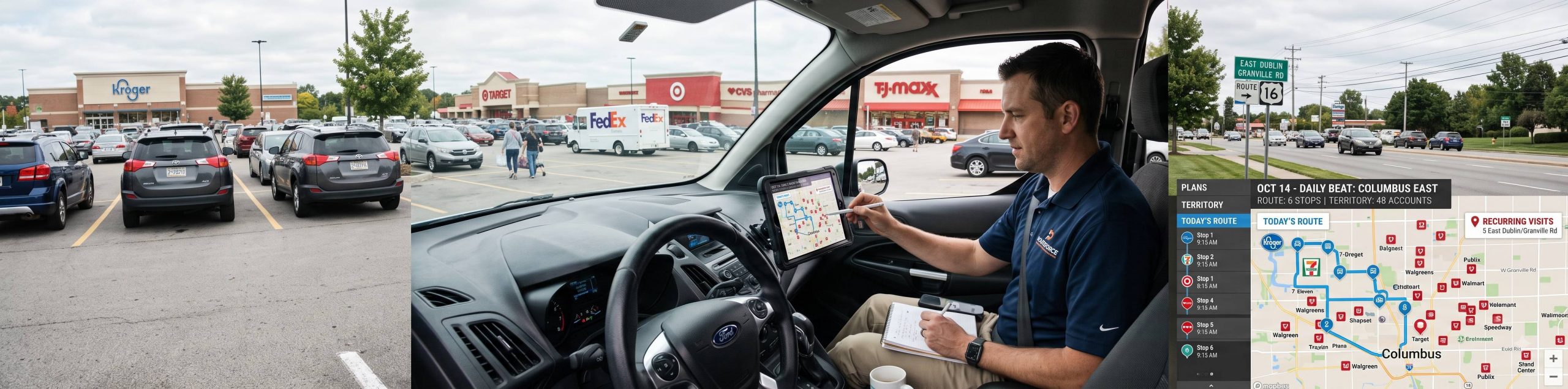
A multi-route planner is software that creates and optimizes routes for multiple vehicles at the same time. Unlike basic navigation tools that provide directions for a single vehicle, multi-route planning software considers the entire delivery network when deciding how orders should be distributed across vehicles and drivers.
The software can evaluate factors such as:
- Delivery locations and stop sequences
- Vehicle capacity and type
- Driver availability
- Traffic and road conditions
- Customer delivery windows
- Delivery priorities
- Distance and travel time
- Route restrictions
Instead of asking, “What is the fastest route from A to B?” the system asks a more important operational question: “What is the most efficient way to complete all these deliveries using the available fleet?”
That distinction becomes increasingly important as delivery volumes increase.
Why Is Multi-Route Planning Becoming Essential for Delivery Operations?

According to a report by Statista, last-mile delivery accounts for 53% of the total shipping cost. Inefficient routing not only adds to this expense but also affects delivery timelines and customer satisfaction. With the logistics market projected to reach $13.7 trillion by 2027, companies cannot afford to rely on outdated planning methods.
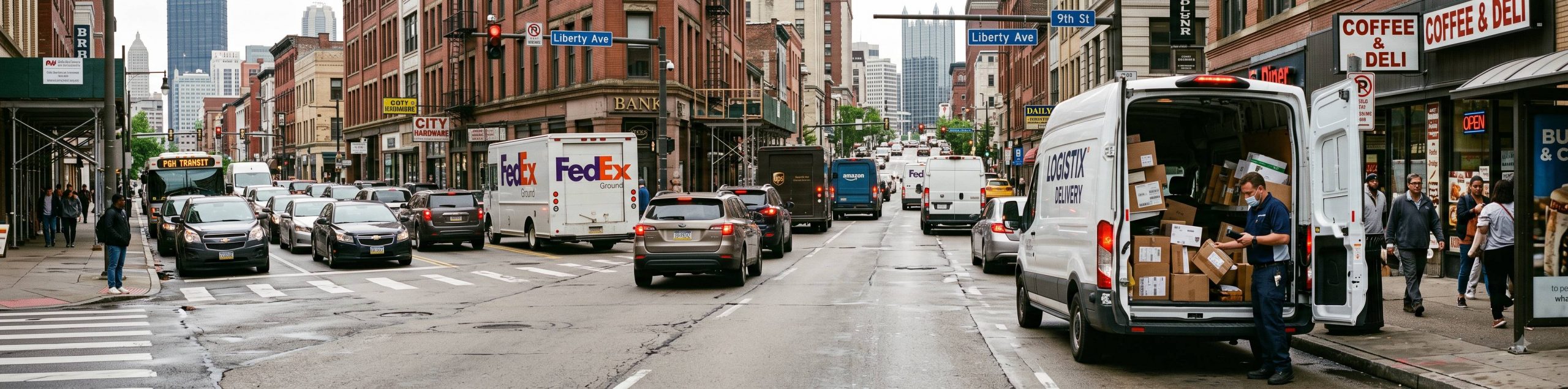
Businesses that continue to use manual route planning face numerous challenges. These include unbalanced workloads, increased travel distances, and a higher likelihood of missed deliveries. In contrast, a multi route planning system offers automated optimization. Which can adapt to real-time variables like traffic, weather, and delivery urgency. This flexibility is crucial in a dynamic delivery environment.
Moreover, customer expectations for faster, more predictable delivery windows are rising. Meeting these demands without overspending on resources is nearly impossible without intelligent routing tools. Implementing the best multi route planner allows companies to meet service-level agreements while keeping operational costs under control.
With benefits like these, route optimization is no longer a luxury. It has become a necessity for businesses looking to stay competitive and improve their bottom line.
What Are the Key Benefits of Multi-Route Planner Software?

1. Increased Delivery Efficiency:
The best multi route planner automates complex route calculations using advanced algorithms that consider distance, traffic, delivery windows, and road restrictions. This level of automation eliminates the guesswork and human error typically associated with manual route planning. As a result, drivers spend less time on the road and more time delivering.
Optimized routing also ensures that deliveries are evenly distributed, avoiding overload on specific vehicles or routes. Over time, this translates into fewer delays, reduced fuel usage, and faster delivery turnarounds, key contributors to increased overall efficiency.
2. Better Resource Utilization:
Multi route planning software helps dispatchers allocate tasks based on capacity, availability, and proximity. By using real-time data, it can dynamically adjust routes to match current road conditions or unexpected delays. This ensures that no vehicle goes underused and no driver is overburdened. It enables businesses to handle more deliveries with the same number of resources.
Additionally, the system can monitor vehicle health, fuel levels, and driver performance, creating a comprehensive picture of operational efficiency. This not only optimizes current use but also aids in planning future capacity.
3. Enhanced Customer Satisfaction:
With more reliable delivery schedules, businesses can provide customers with accurate estimated times of arrival (ETAs), which significantly enhances the overall customer experience. A multi route planning system can notify customers of any changes or delays in real time, building transparency and trust.
Faster and timely deliveries reduce the number of customer complaints and missed deliveries. As a result, companies enjoy stronger brand loyalty, higher retention rates, and a competitive edge in service quality.
4. Real-Time Adjustments:
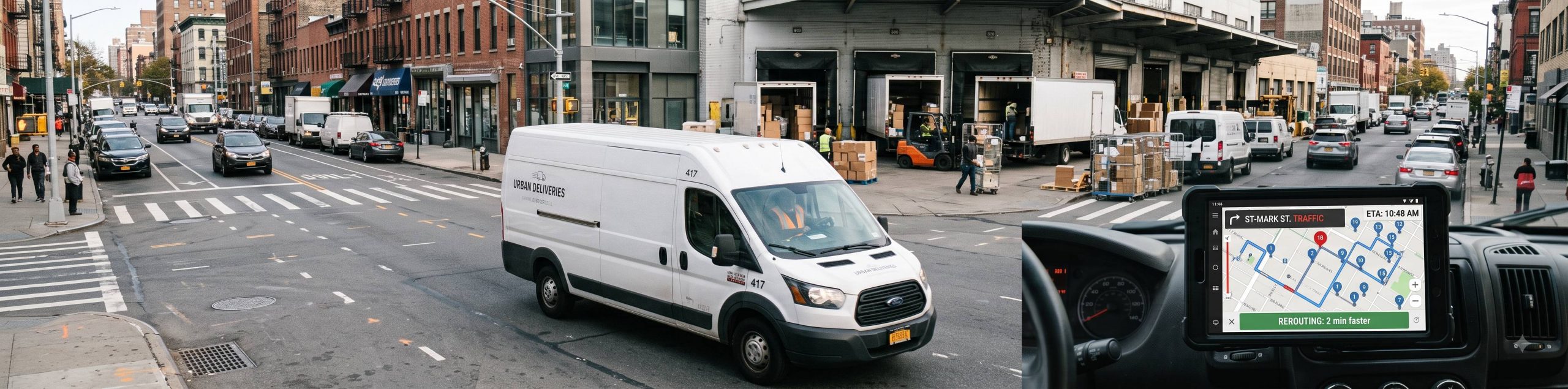
Modern multi route planners come equipped with GPS tracking and live route updates. If a vehicle encounters a traffic jam, road closure, or urgent rerouting request, the software recalculates and offers the most optimal alternative instantly. This flexibility prevents service disruption and helps maintain delivery timelines.
For dispatchers, it means less stress and faster decision-making. For drivers, it ensures safety and convenience. And for customers, it guarantees consistency. This ability to adapt in real time is particularly critical in industries where timing is sensitive, such as food delivery or healthcare logistics.
5. Scalability:
As businesses expand, so do the challenges of managing a growing fleet and rising delivery volumes. A scalable multi route planner is designed to grow with your business. It can handle hundreds or even thousands of deliveries daily without compromising speed or accuracy.
Whether you’re onboarding new vehicles, entering new service areas, or adjusting to seasonal spikes in demand, the software adapts accordingly. This scalability eliminates the need for constant system overhauls and ensures a future-ready delivery infrastructure.
Multi Route Planning: A Strategic Investment
Investing in a multi route planner is not just about technology; it’s a strategic move toward long-term profitability. By leveraging data and automation, companies can enhance their decision-making process, reduce waste, and improve service levels.
According to the American Transportation Research Institute, 30% of a truck’s operating costs are related to route inefficiencies. Implementing a multi route planning system tackles this head-on, offering measurable benefits almost immediately.
Frequently Asked Questions
1. What is a multi-route planner?
A multi-route planner is software that creates and optimizes delivery routes for multiple vehicles simultaneously. It considers factors such as delivery locations, vehicle capacity, driver availability, traffic, and delivery time windows.
2. What is the difference between a route planner and a multi-route planner?
A standard route planner may optimize a route for one vehicle or a limited number of stops. A multi-route planner optimizes multiple vehicles and delivery routes together, making it more suitable for businesses managing larger fleets and delivery volumes.
3. Can multi-route planning reduce delivery costs?
Yes. By reducing unnecessary mileage, improving vehicle utilization, balancing workloads, and reducing planning inefficiencies, multi-route planning can contribute to lower fuel, labor, and operating costs.
4. How does multi-route planning improve fleet utilization?
The software distributes orders across vehicles based on factors such as capacity, location, availability, and delivery constraints. This helps prevent some vehicles from being overloaded while others remain underused.
Conclusion
In today’s competitive delivery landscape, staying ahead means being smarter, faster, and more efficient. A multi route planner empowers businesses to do just that. From reducing costs to improving customer satisfaction and maximizing ROI, the benefits are too significant to ignore.
When you choose the best multi route planner for your operations, you’re not just upgrading your software—you’re transforming your entire logistics strategy. Whether you run a small courier business or manage a large delivery fleet, integrating multi route planning software is the key to scaling efficiently and staying competitive.
Start planning smarter today and unlock the full potential of your delivery operations with a reliable multi route planning system. Click on the red button below and book a demo with LogiNext Solutions today.