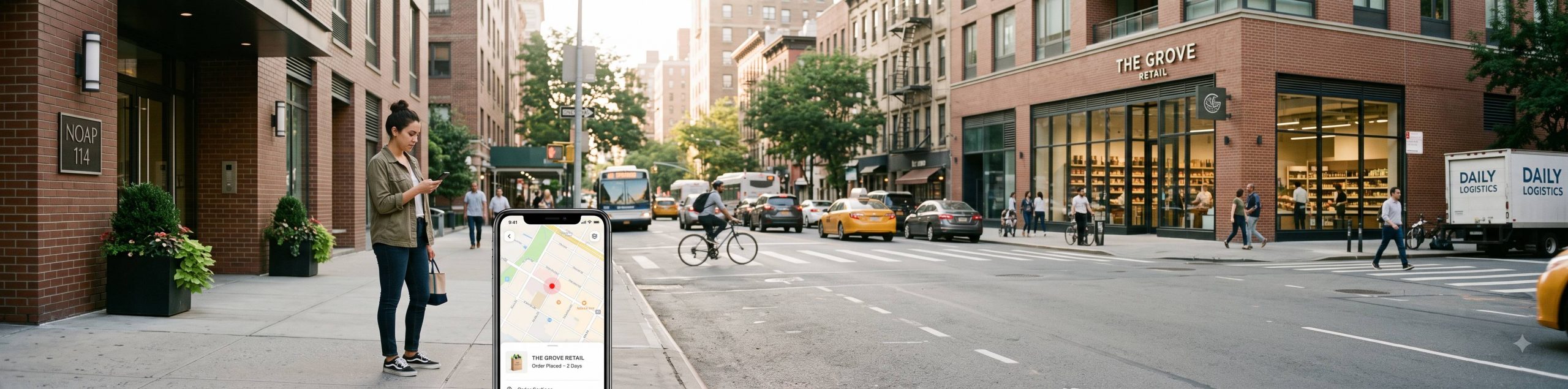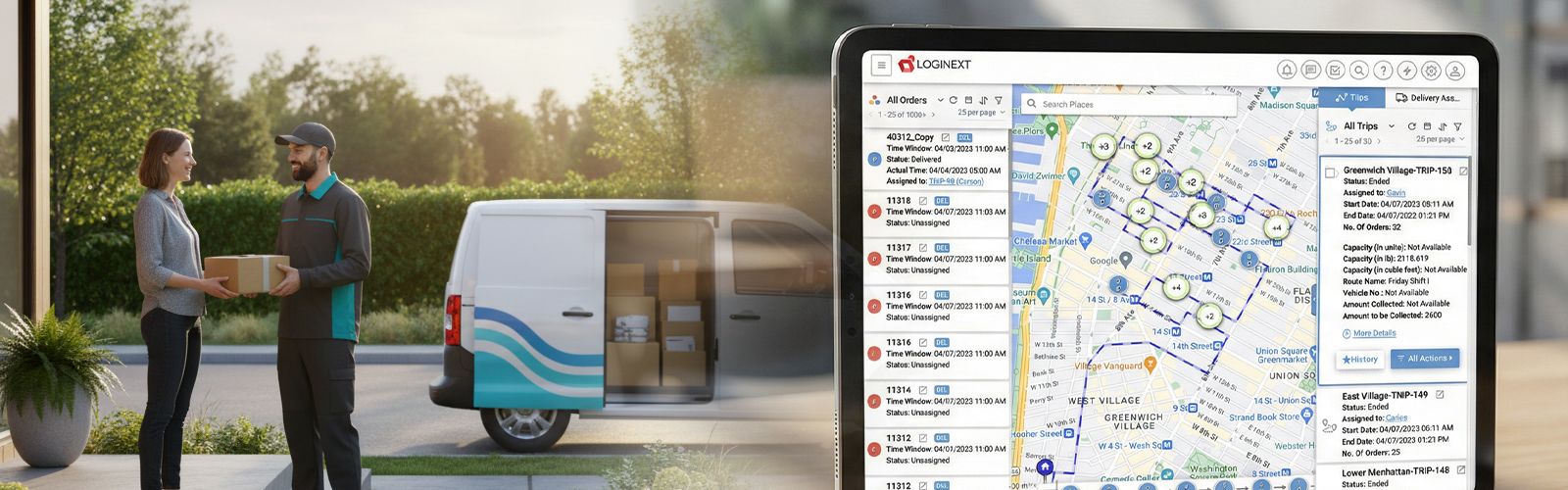

On demand delivery is changing more than how quickly consumers receive their purchases. It is changing how they decide what to buy in the first place. A forgotten grocery item, a sudden craving, or a product spotted on social media can now become an order within minutes. Consumers increasingly expect convenience without planning their purchases days ahead.
For retailers, this creates an interesting opportunity: capturing demand at the exact moment it emerges. But converting spontaneous purchases into successful deliveries requires more than a convenient checkout. It requires an entirely different approach to retail fulfillment.
Key Takeaways
- On demand delivery is changing how consumers discover, purchase, and receive everyday products.
- Social commerce and quick commerce are making spontaneous purchases easier.
- Impulse buying creates unpredictable demand that retailers must be prepared to fulfill.
- AI can support better dispatching, route planning, demand forecasting, and fleet utilization.
- Intelligent delivery operations help businesses balance customer convenience with operational efficiency.
Why Are Consumers Replacing Planned Shopping With Impulse Orders?
Shopping used to involve a certain amount of preparation. Consumers made grocery lists, planned shopping trips, compared products, and purchased everything they needed for the week.
That routine still exists, but it now competes with a more spontaneous shopping experience.
Consider a simple example. Someone scrolling through Instagram discovers a new skincare product. Another person realizes they are out of coffee halfway through their workday. Someone hosting friends suddenly remembers they need snacks.
These situations create immediate purchase intent. Instead of adding products to a shopping list, consumers can order them directly.
Social media is accelerating this behavior. According to DHL’s 2025 E-Commerce Trends Report, 76% of US shoppers say viral trends and social buzz influence their buying decisions. Product discovery and purchasing decisions are becoming increasingly connected.
This creates opportunities for retailers to convert spontaneous interest into actual sales. The interesting shift isn’t that consumers have stopped planning. It’s that they no longer need to plan every purchase.
How Are Quick Commerce and Instant Delivery Changing Shopping Habits?
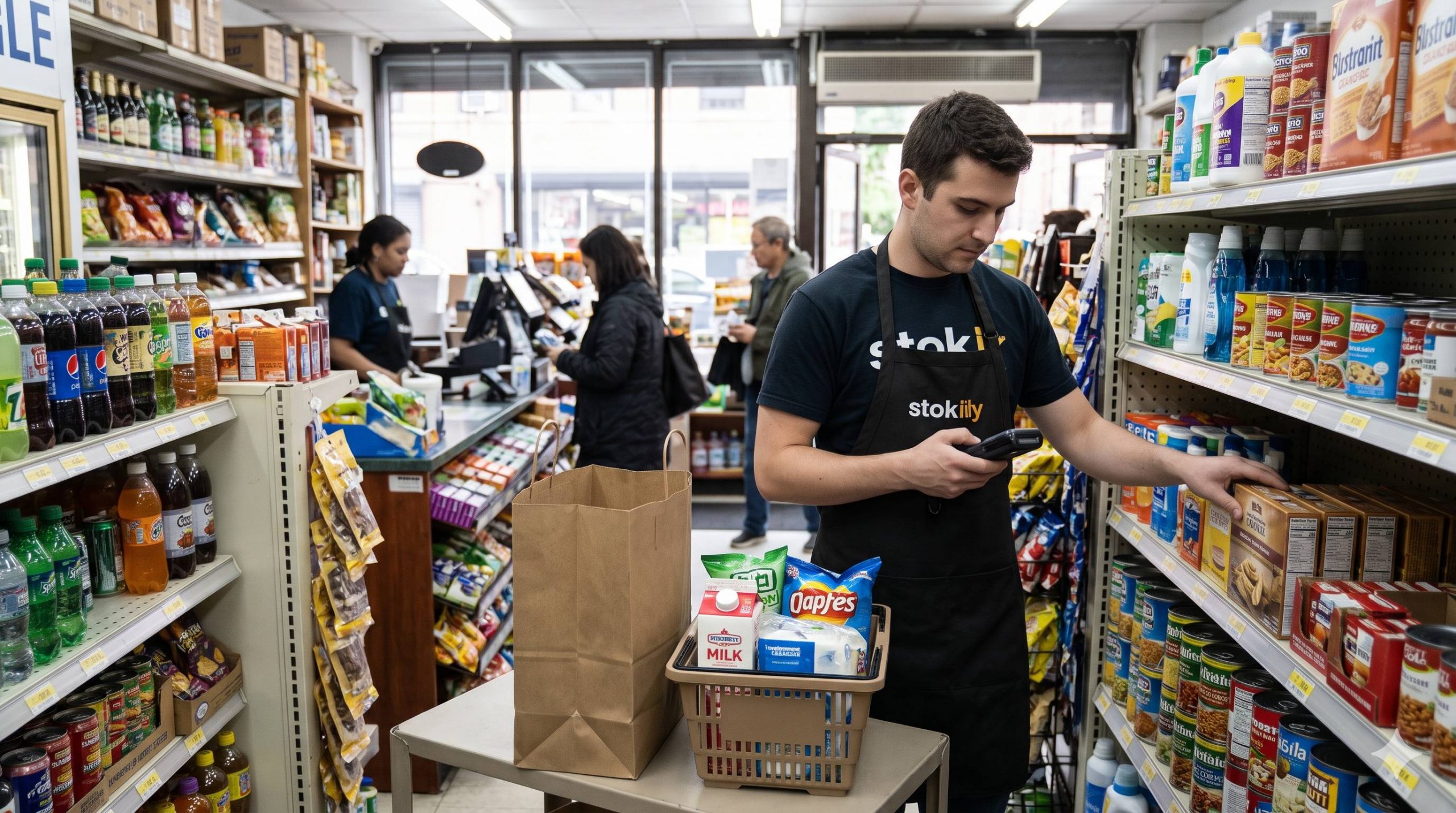
Quick commerce and instant delivery are making smaller, more frequent purchases increasingly convenient.
Traditional shopping often encouraged consumers to consolidate purchases. Instead of ordering milk, snacks, and household essentials separately, they would buy everything during one shopping trip.
Today, consumers can purchase individual items whenever they need them.
This change is particularly visible in the United States. NielsenIQ’s 2026 Commerce Revolution report found that quick commerce grew 62.2% in the US during 2025. The channel also generated nearly $22 billion in US food sales.
However, faster delivery doesn’t automatically mean every customer wants everything immediately.
McKinsey’s research on US e-commerce delivery preferences found that 90% of consumers were willing to wait two or three days for deliveries, particularly when it helped them avoid shipping costs.
This highlights an important distinction. Consumers value convenience, but they also consider affordability and reliability.
For retailers, the opportunity lies in offering different fulfillment options based on product urgency, customer expectations, and delivery economics.
What Does Impulse Buying Mean for Retailers and Delivery Operations?
Impulse buying creates demand that is harder to predict and more difficult to plan around.
A conventional retail promotion might generate a predictable increase in orders. A viral product, sudden weather change, or local event can create demand much faster.
Customers across several neighborhoods begin ordering the product. Some stores experience sudden demand spikes, while others have sufficient inventory but fewer orders.
Meanwhile, delivery associates are handling existing orders, and new requests continue arriving.
The marketing campaign has successfully generated interest. The challenge now is fulfilling that interest without disrupting existing operations.
Retailers must consider several factors:
- Demand fluctuations: Unexpected order volumes can overwhelm existing fulfillment capacity.
- Inventory availability: Products must be available at locations capable of fulfilling incoming orders.
- Driver allocation: Delivery resources need to match changing demand across different locations.
- Route planning: Additional orders must be accommodated without unnecessarily disrupting existing deliveries.
- Customer expectations: Delivery promises must remain realistic during demand spikes.
DHL’s 2025 research also found that 76% of US consumers would abandon a purchase if their preferred delivery option wasn’t available.
That makes delivery an important part of the purchasing decision, not simply the final step. Retailers must therefore connect their ability to generate demand with their ability to fulfill it.
How Can AI in Delivery Management Help Businesses Handle Unpredictable Demand?
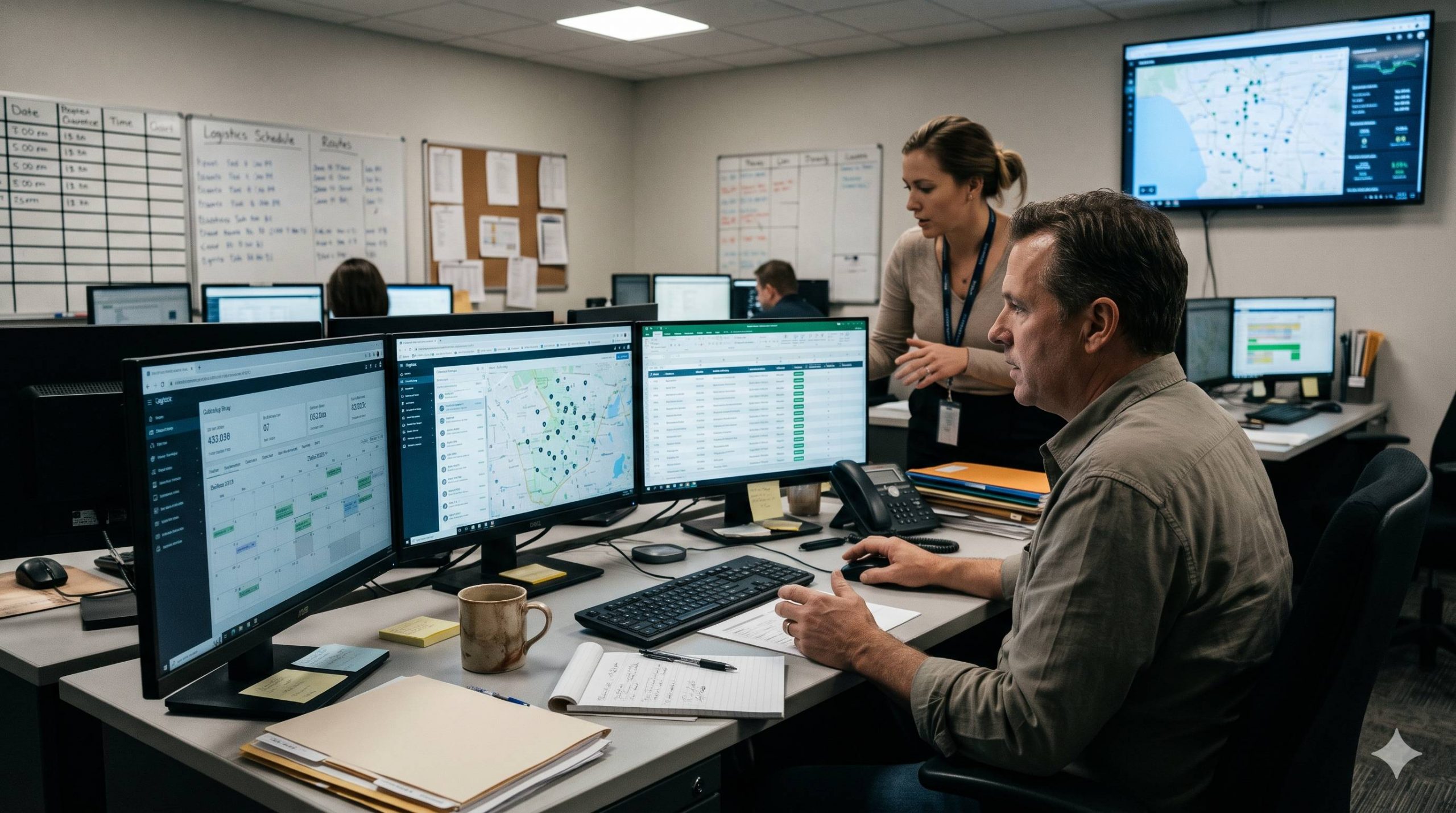
AI in delivery management helps businesses make informed operational decisions when order volumes, delivery locations, and available resources constantly change.
Instead of relying entirely on fixed schedules and manual coordination, businesses can use intelligent systems to respond to changing delivery conditions.
Consider the beverage example again. When orders increase across several neighborhoods, operations teams need to understand where delivery capacity is available and how new orders can be accommodated.
AI-powered logistics systems can support several important decisions:
- Demand forecasting: Analyze historical patterns and demand signals to help businesses prepare for potential order surges.
- Intelligent dispatching: Allocate delivery orders based on driver availability, location, and operational requirements.
- Dynamic route optimization: Adjust delivery routes to accommodate changing order volumes and traffic conditions.
- Real-time visibility: Help operations teams monitor delivery activity and identify potential disruptions.
- Fleet utilization: Improve the allocation of available delivery resources across different locations.
The objective isn’t to predict every spontaneous purchase. It’s to make delivery operations better equipped to handle them. Businesses can also use operational data to understand recurring demand patterns and improve future planning.
What Should Businesses Look for in On Demand Delivery Software?
Businesses need technology that connects incoming orders with the operational decisions required to fulfill them. Choosing on demand delivery software should involve more than checking whether a platform can process orders or assign drivers.
Retailers should evaluate whether their technology can support:
- Intelligent order allocation: Assign orders based on operational requirements, delivery locations, and available resources.
- Automated dispatching: Reduce manual intervention when coordinating large volumes of delivery orders.
- Route optimization: Identify efficient delivery routes while accounting for changing operational conditions.
- Real-time tracking: Monitor delivery progress and provide better visibility across operations.
- Scalability: Support changing order volumes across multiple locations, delivery networks, and fulfillment models.
Delivery management software should also connect different parts of the delivery process rather than operate as another isolated system. This is where logistics orchestration becomes important.
LogiNext helps enterprises coordinate delivery operations through AI-powered logistics orchestration, intelligent dispatch, route optimization, and real-time visibility.
Its platform helps businesses connect operational decisions across their delivery networks, making it easier to manage complex fulfillment requirements.
For retailers navigating increasingly unpredictable demand, this technology can help bridge the gap between spontaneous customer purchases and efficient delivery execution.
Frequently Asked Questions
1. What is on demand delivery?
On demand delivery is a fulfillment model that allows consumers to order products or services when needed and receive them within a requested or promised delivery window.
2. How does on demand delivery influence impulse buying?
It reduces the time and effort between discovering a product and receiving it. Consumers can act on spontaneous purchase decisions without waiting for their next planned shopping trip.
3. What is the difference between quick commerce and on-demand delivery?
On demand delivery is a broader fulfillment model. Quick commerce is a category focused on fulfilling orders within particularly short delivery windows, often under an hour.
4. How does AI improve on demand delivery operations?
AI can help businesses analyze demand patterns, allocate drivers, optimize routes, and respond to changing delivery conditions.
5. Why do retailers need on demand delivery?
On demand delivery software helps retailers coordinate orders, drivers, routes, and delivery activity. It supports more efficient fulfillment as customer demand changes.
Conclusion: The Next Big Order Might Be an Impulse
The traditional shopping list isn’t disappearing. But it is no longer the only thing driving retail demand.
Consumers increasingly make purchases based on immediate needs, unexpected discoveries, and moments of convenience. For retailers, this creates opportunities to capture demand that might never have become a planned purchase.
However, generating orders is only half the equation. Businesses must also ensure their delivery networks can respond without compromising service quality or profitability.
That requires intelligent dispatching, efficient routing, connected operations, and better visibility across the delivery network.
LogiNext helps enterprises bring these capabilities together through AI-powered logistics orchestration.
Ready to make your delivery operations more responsive to changing customer expectations? Explore LogiNext and discover how intelligent delivery management can help your business turn growing demand into better delivery experiences.