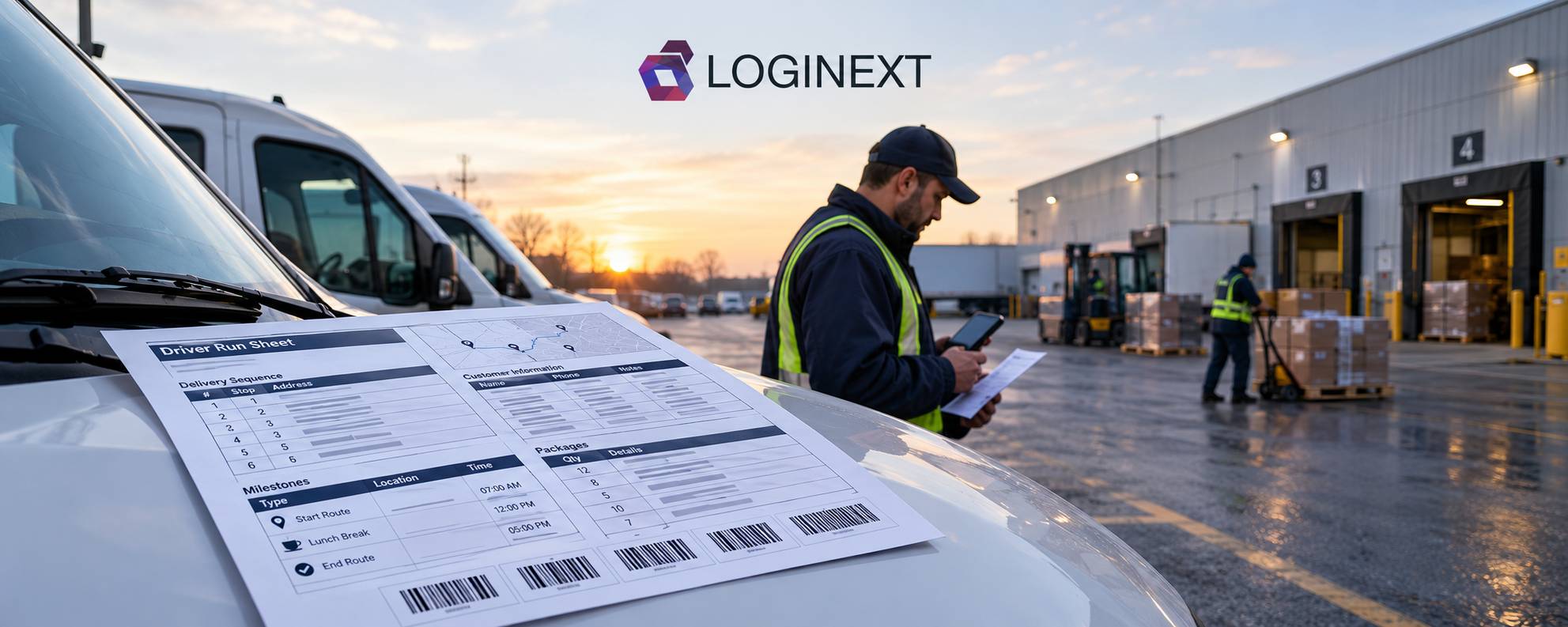

Rapid delivery is changing how logistics companies compete, serve customers, and generate revenue. What once seemed like an expensive convenience is becoming a valuable business proposition. Across the US and Canada, retailers and logistics providers are exploring faster fulfilment models. This is to attract customers, strengthen partnerships, and unlock new revenue streams.
From premium delivery options to localized fulfilment networks, speed is creating opportunities beyond simply getting packages to doorsteps sooner. However, delivering faster is only half the equation. The real opportunity lies in making that speed commercially sustainable.
Key Takeaways
- Rapid delivery is becoming a commercial opportunity, not just a customer service differentiator.
- Premium fulfilment options can create additional revenue streams for logistics providers.
- Faster deliveries require careful management of driver availability, routing, and fulfilment costs.
- Technology helps businesses coordinate delivery operations and improve resource utilization.
- Profitable rapid delivery depends on matching delivery speed with customer demand and operational capacity.
Why Is Rapid Delivery Becoming a Revenue Driver?
For years, delivery speed was largely treated as an operational metric. Companies focused on reducing transit times, meeting promised delivery windows, and keeping customers satisfied. Today, the conversation is changing.
Consumers increasingly associate faster fulfilment with convenience, and businesses recognize that convenience can influence purchasing decisions.
According to DHL’s 2026 E-Commerce Trends Report, 57% of US shoppers want to see same-day or even faster delivery and return services become available over the next five years. This indicates a growing opportunity for businesses willing to rethink their fulfilment strategies.
For logistics companies, this creates several commercial opportunities:
- Premium delivery offerings: Businesses can introduce paid express delivery services for customers who value urgency.
- New retailer partnerships: Faster fulfilment capabilities can help logistics providers attract retailers looking to improve their delivery propositions.
- Higher order frequency: Convenient delivery experiences can encourage customers to shop more frequently.
- Service differentiation: Providers can compete through delivery options instead of relying entirely on price.
The important distinction is that speed becomes a revenue driver when customers value it enough to choose, use, or pay for the service.
How Are Logistics Companies Monetizing Faster Deliveries?
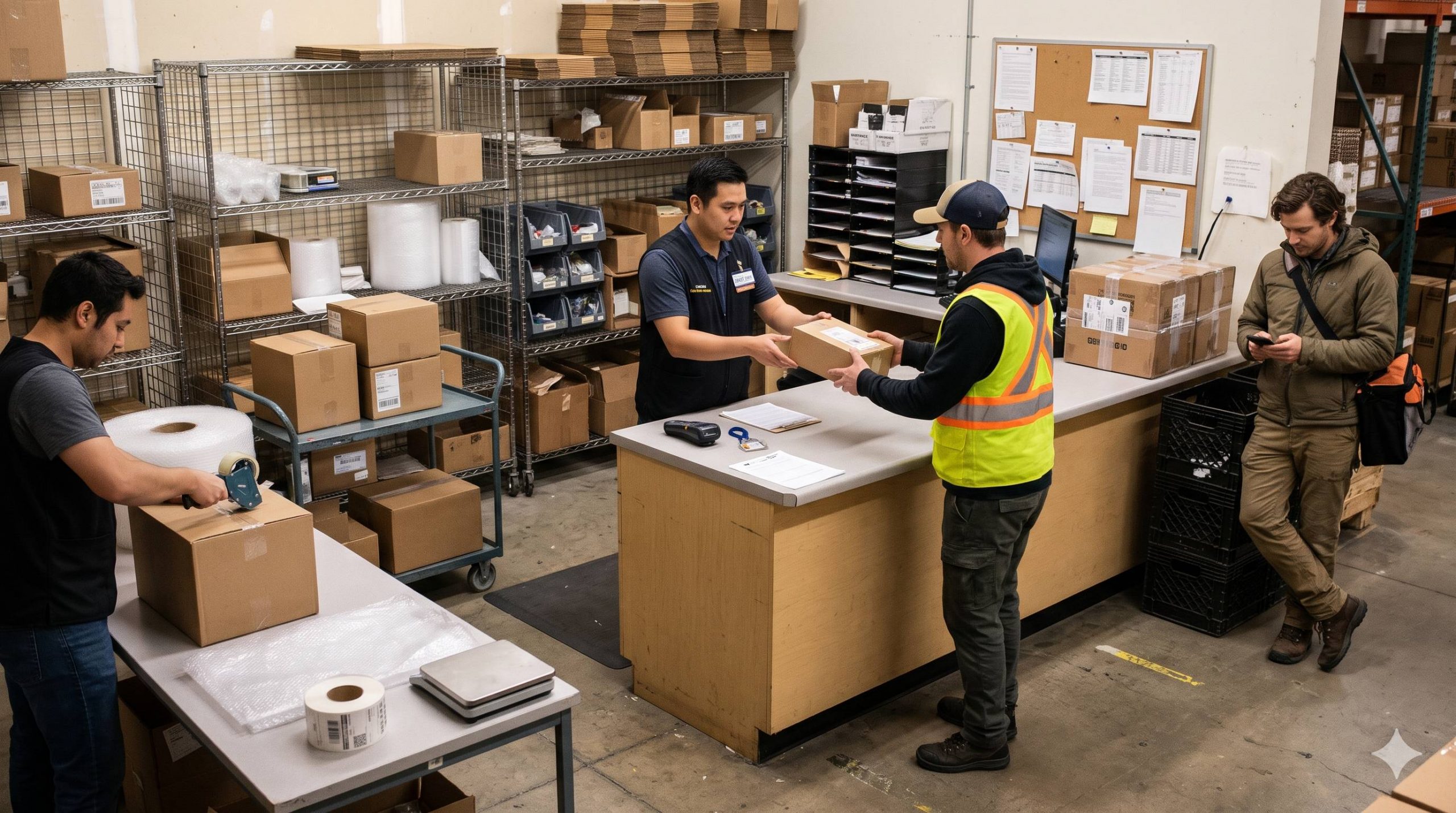
The business opportunity extends beyond offering customers a shorter delivery window. Logistics companies can build multiple services around the ability to move orders faster and more reliably.
1. Offering Speed as a Premium Service:
Not every customer needs an order immediately. However, some are willing to pay for convenience when time matters.
Retailers can offer standard, next-day, and same-day delivery options at different price points. Logistics providers that support these tiers can create additional service opportunities while helping retailers serve different customer segments.
The key is to make faster fulfillment an option rather than an expensive default.
2. Expanding Partnership with Retailers:
Retailers increasingly need fulfilment partners that can support different delivery promises across locations and product categories.
This creates opportunities for logistics companies offering flexible E-commerce logistics solutions. Providers can help retailers expand their delivery coverage without requiring them to build and manage every part of the fulfilment network themselves.
For example, a retailer operating across multiple US cities could use regional delivery partners to fulfil urgent orders locally while routing standard orders through its existing distribution network.
3. Building New Delivery Models:
Rapid delivery is also creating opportunities in industries where timing directly influences purchasing decisions.
Grocery, pharmaceuticals, convenience retail, electronics, and food services all have different fulfilment requirements. Logistics providers can develop specialized offerings around these requirements.
Combining Express delivery services with scheduled fulfilment, local dispatch, and flexible delivery windows creates more ways to serve business customers.
What Makes Rapid Delivery Difficult to Monetize?
Here is where things get interesting. Faster deliveries can generate additional revenue, but they can also consume margins surprisingly quickly.
A shorter delivery window often requires more drivers, better inventory positioning, additional fulfilment capacity, and tighter coordination.
According to Statista, last-mile delivery accounted for 53% of total shipping costs in 2023, compared with 41% in 2018. The last leg of the journey is becoming an increasingly expensive part of fulfillment.
There is another important consideration: customers do not always want the fastest option.
McKinsey’s research on US e-commerce consumers found that 90% were willing to wait two or three days for deliveries, particularly when doing so helped them avoid shipping costs.
This creates a clear business challenge. Logistics companies cannot simply accelerate every order and expect profitability to follow.
They need to identify which orders require urgency, which customers value speed, and where faster fulfilment makes commercial sense.
The goal is not to deliver everything faster. It is to deliver the right orders faster, without allowing operational costs to outweigh the revenue opportunity.
How Can Technology Make Rapid Delivery Profitable?
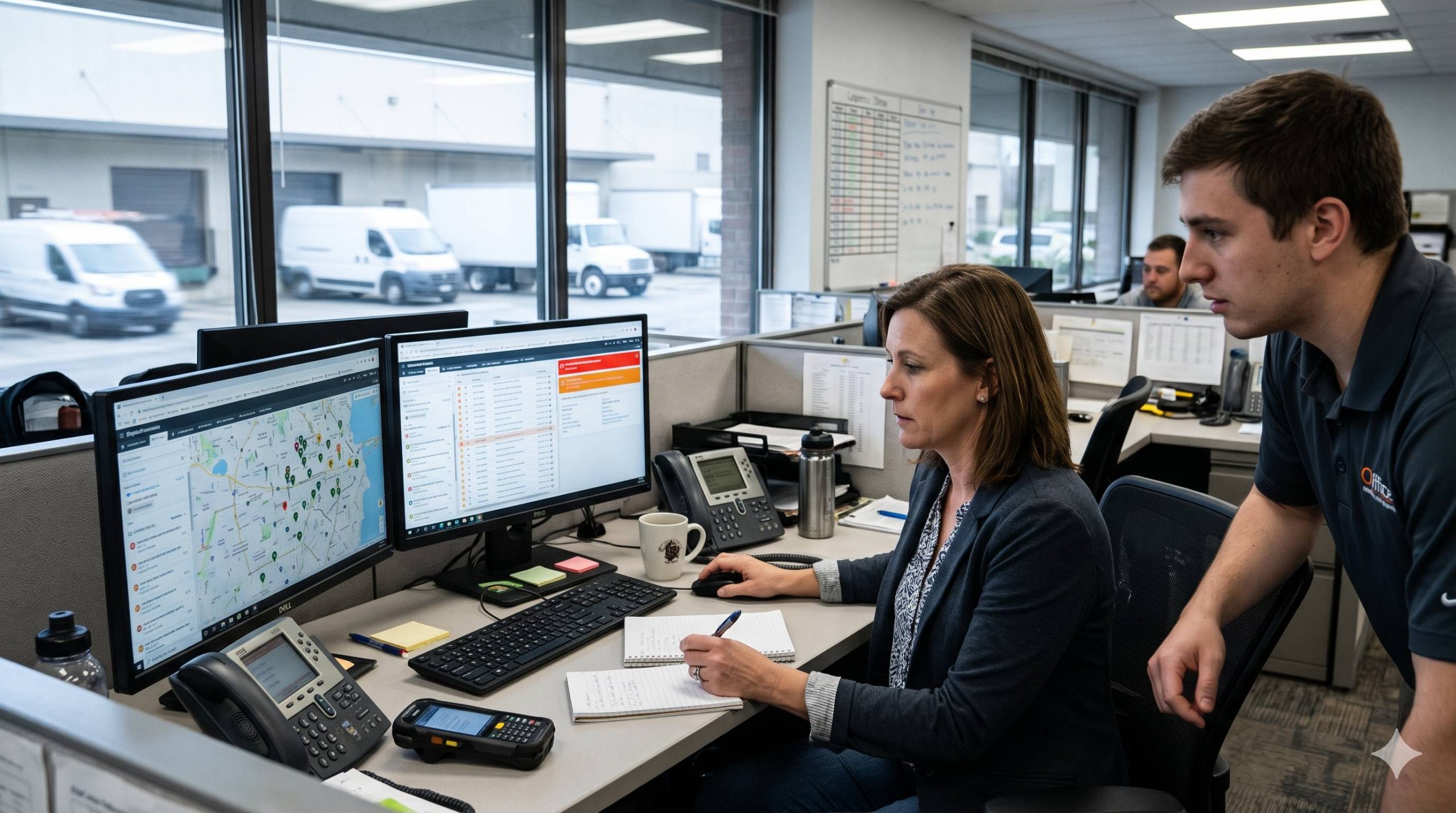
Technology plays a significant role in making faster fulfilment commercially viable. Logistics companies need systems that coordinate orders, drivers, routes, and delivery commitments without creating additional operational complexity.
Three capabilities are particularly important.
1. Smart Order and Driver Allocation:
On-demand delivery software helps businesses coordinate incoming orders with available delivery resources.
Intelligent allocation can consider driver availability, delivery locations, order priorities, and service commitments. This reduces manual intervention and helps businesses respond to changing demand.
2. Dynamic Route Planning:
Static routes rarely work when delivery volumes, traffic conditions, and order priorities keep changing.
Last mile delivery software can help businesses optimize routes based on changing operational conditions. Combined with Last mile delivery optimization, this helps reduce unnecessary travel, improve resource utilization, and support tighter delivery windows.
3. Centralised Delivery Orchestration:
Managing multiple delivery models requires coordination across different systems, teams, and fulfilment locations.
Delivery management software and Logistics automation help connect these activities. Businesses can monitor execution, manage exceptions, and make faster operational decisions.
For companies managing larger Delivery fleet management requirements, this coordination becomes particularly valuable. It helps them balance capacity with demand rather than maintaining excess resources for occasional delivery spikes.
A capable logistics management system can also help businesses scale their Rapid delivery solutions across locations without rebuilding their operating processes each time.
The Business Case: Speed Must Come With Better Economics
Technology alone cannot make every delivery model profitable. Logistics companies also need to make deliberate decisions about where to invest in speed.
The challenge is reflected in AlixPartners’ 2026 Home Delivery Survey: 64% of supply chain executives say home delivery is not yet profitable. This highlights the gap between growing delivery expectations and the economics of fulfilling them.
A practical way to approach this is to evaluate each faster-delivery opportunity against three questions:
- Customer demand: Does the customer genuinely need a faster delivery window?
- Operational readiness: Are drivers, inventory, and fulfilment locations available to support faster deliveries?
- Revenue potential: Does the delivery fee or commercial value justify the additional operational costs?
For instance, a retailer may find that express fulfilment works well in dense urban areas but becomes expensive across distant suburban locations.
Instead of introducing one delivery promise everywhere, logistics providers can use demand patterns, delivery density, and available capacity to determine where faster services make financial sense.
This is where Delivery management software becomes more than an operational tool. It helps businesses connect delivery decisions with their commercial objectives.
What Does the Future Hold for Rapid Delivery?
The next phase of rapid delivery will likely be shaped by flexibility rather than speed alone.
Customers want convenience, but businesses need profitable fulfilment models. Logistics providers that understand both sides will have an advantage.
Several developments are worth watching:
- Localized fulfilment: More businesses will explore regional hubs and strategically positioned inventory to shorten delivery distances.
- Flexible delivery windows: Customers will increasingly have options that balance urgency, convenience, and shipping costs.
- AI-led orchestration: Intelligent systems will help businesses make faster decisions around dispatch, routing, and resource allocation.
- Multi-tier delivery services: Standard, express, and scheduled options will allow businesses to serve different customer expectations.
The opportunity is not simply to make every delivery faster. It is to build a delivery network that knows when speed matters, how to provide it, and how to make it pay.
Also read: LogiNext Hotspots: Putting Idle Drivers Where Orders Are
Frequently Asked Questions
1. What is rapid delivery in logistics?
Rapid delivery refers to fulfillment models designed to deliver orders faster than conventional shipping timelines. These can include express, same-day, and next-day delivery.
2. How does rapid delivery generate revenue for logistics companies?
It creates opportunities through premium delivery charges, new retailer partnerships, differentiated fulfilment services, and increased order volumes.
3. What challenges do logistics companies face when offering rapid delivery?
Common challenges include high last-mile costs, driver availability, traffic conditions, fluctuating demand, and coordination across fulfilment locations.
4. How does technology improve rapid delivery operations?
Technology helps businesses optimize routes, allocate drivers, manage orders, monitor deliveries, and respond to operational disruptions.
5. Can rapid delivery be profitable for small and medium-sized businesses?
Yes. Businesses can start with selected locations, high-demand products, and specific customer segments rather than offering faster delivery across their entire network.
Conclusion
Rapid delivery is opening new commercial opportunities for logistics companies, but speed alone does not guarantee revenue growth. Businesses need the right combination of fulfillment capacity, operational visibility, intelligent dispatch, and cost control.
As delivery expectations continue to evolve across the US and Canada, logistics providers must find smarter ways to balance customer convenience with profitability.
This is where LogiNext can help. Its AI-native logistics orchestration platform connects dispatch, routing, and delivery operations to help businesses coordinate complex fulfilment networks more intelligently.
Looking to make faster deliveries work harder for your business? Explore how LogiNext can help you build a more efficient, responsive, and scalable delivery operation.